
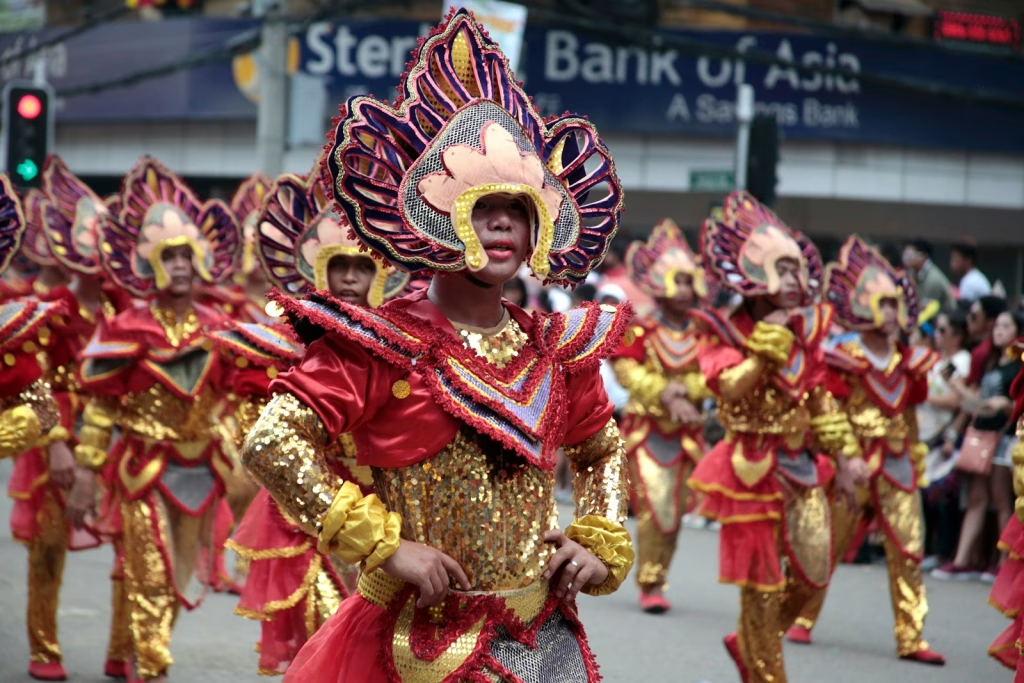
If you’ve never experienced Cebu’s Sinulog Festival, imagine this: the steady heartbeat of drums echoing through the streets, a sea of bright costumes shimmering under the tropical sun, and thousands of voices joyfully shouting “Pit Señor!” in unison. The air smells of street food and devotion, sweat and celebration — a dizzying blend of faith and festivity that fills every corner of the city.
Sinulog isn’t just another festival; it’s Cebu’s proudest tradition, a fusion of deep Catholic devotion to the Santo Niño (the Child Jesus) and a week-long explosion of color, dance, and joy. Whether you’re a first-time visitor or a returning devotee, this guide is your ultimate companion — a complete, evergreen resource covering Sinulog’s history, events, survival tips, and the best hotel to stay in for the full experience.
Welcome to your insider’s guide to Sinulog — and to making Almond Suites your home base in the heart of it all.
Sinulog is both a prayer and a party, a promise and a parade. It captures the soul of Cebu — a place where devotion and celebration flow together like the river that inspired the festival’s name.
The word Sinulog comes from the Cebuano term “sulog,” which means “like water current movement.” The festival’s iconic forward-backward dance step mirrors the flow of the river — two steps forward, one step back — symbolizing how faith moves through time and generations.
The beloved cry of the festival, “Pit Señor!”, is short for “Sangpit sa Señor,” meaning “Call upon the Lord.” You’ll hear it everywhere — from dancers on the streets to grandmothers waving images of the Santo Niño from their doorsteps. It’s both a greeting and a prayer, a call for blessings and protection.
At its heart, Sinulog is a celebration of faith, identity, and joy — a reminder that Cebu’s story began not just with history books, but with the heartbeat of its people.
The origins of Sinulog go back more than 500 years, intertwining with the arrival of Christianity in the Philippines.
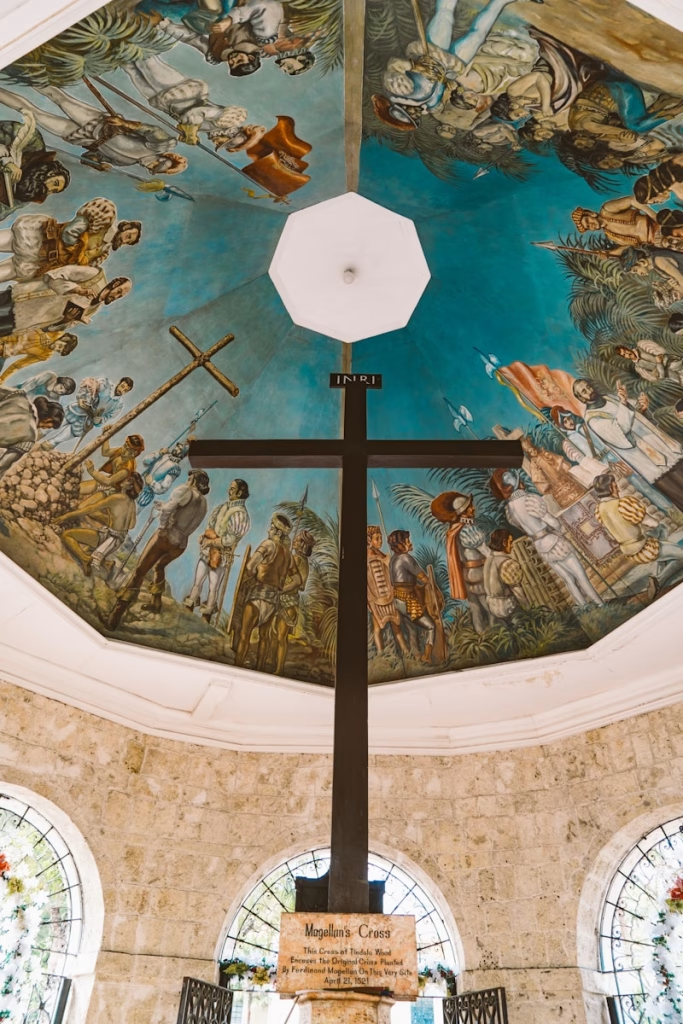
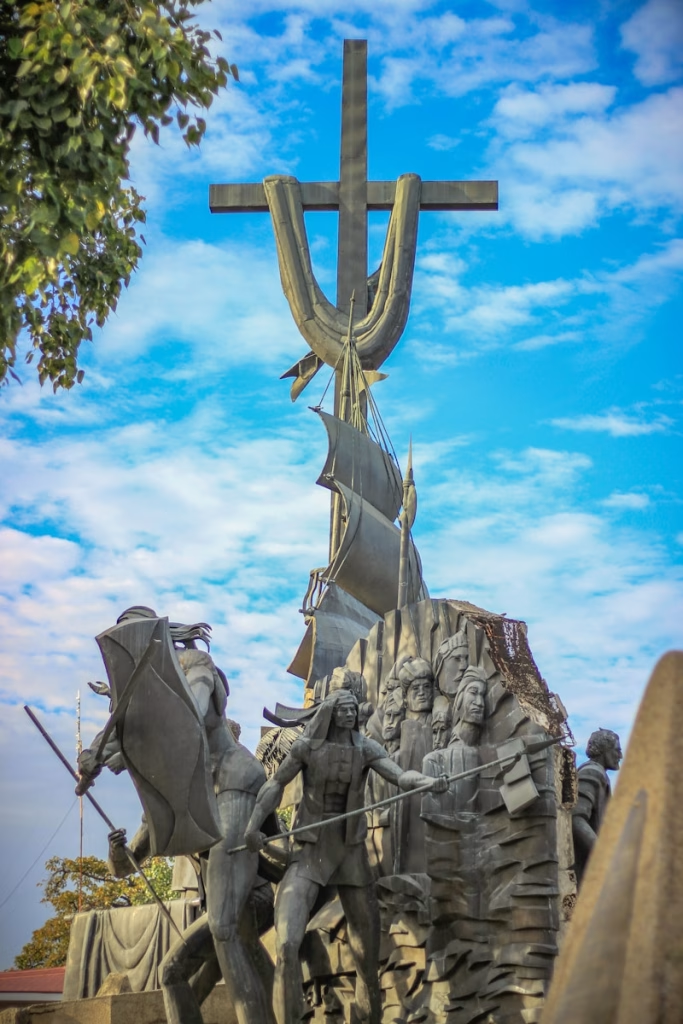
In 1521, Portuguese explorer Ferdinand Magellan landed on the shores of Cebu and presented a small image of the Santo Niño to Queen Juana as a baptismal gift. This moment marked the birth of Christianity in the islands. Forty-four years later, in 1565, Spanish soldiers rediscovered the same image — miraculously preserved — amid the ruins of a burnt village. That very image is now enshrined in the Basilica Minore del Santo Niño, where millions of devotees visit each year.
The modern Sinulog Festival, as we know it, began in 1980, when Cebu City decided to formalize the centuries-old dance and devotion into a grand cultural and religious celebration. What started as a local commemoration has since grown into one of Asia’s biggest and most spectacular festivals, drawing millions of visitors from around the world.
Sinulog is no longer just a date on the calendar — it’s a living, breathing symbol of how faith can evolve yet endure through time.
One of Sinulog’s charms is that it’s ever-changing yet predictably grand. Every January, Cebu transforms into a festival city, culminating on the third Sunday of the month, when the world-famous Sinulog Grand Parade takes place.
Here’s your evergreen guide to the major highlights — so you’ll always know what to look forward to, no matter which year you visit.
On the Saturday before the Grand Parade, Cebu wakes up before dawn to the sight of hundreds of boats gliding across the Mactan Channel. The Fluvial Procession reenacts the Santo Niño’s arrival in Cebu, with the sacred image carried aboard a beautifully adorned barge surrounded by vessels filled with devotees, flags, and flowers.
As the sun rises, the flotilla sails toward the port area, greeted by cheers and waves from the shore. The experience is serene yet electrifying — faith literally taking to the water.
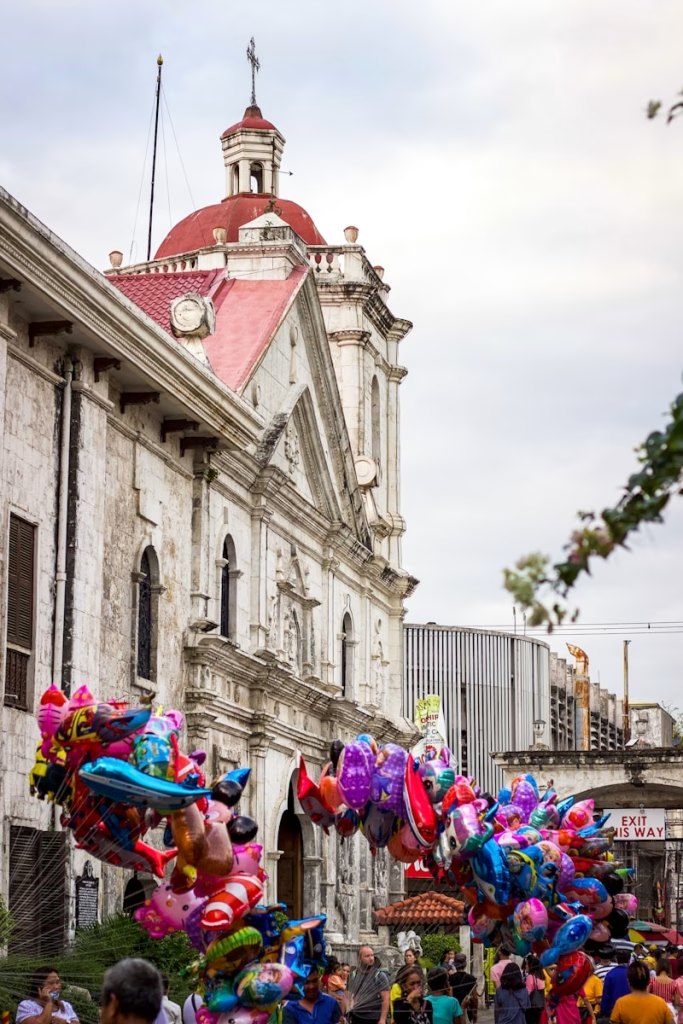
Later that same day, the Solemn Foot Procession winds through Cebu’s streets, drawing hundreds of thousands of pilgrims. The mood here is reflective and reverent; candles flicker, rosaries sway, and chants of “Viva Pit Señor!” fill the air.
It’s an emotional moment — a city united in faith, walking together in devotion to the Santo Niño. If you only attend one religious event during Sinulog, make it this one.
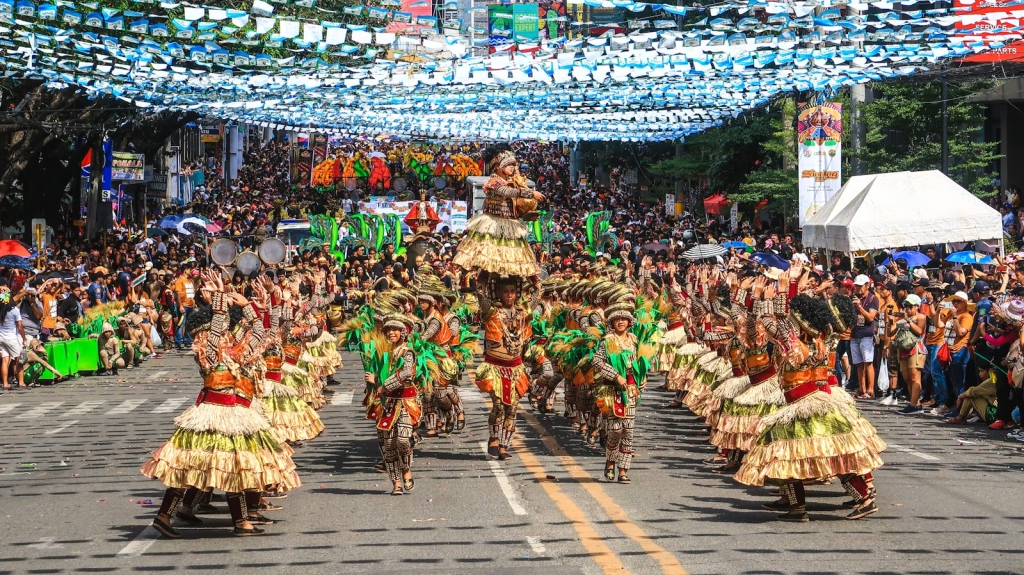
The third Sunday of January is the day Cebu becomes a living painting. The Grand Parade bursts onto the streets with contingents from across the Philippines — dancers in elaborate costumes, drumbeaters, and massive floats that turn the city into a festival of color.
You’ll find yourself caught between the pounding of drums, the shimmer of sequins, and the contagious joy of thousands of performers moving in rhythm to the Sinulog beat. Judging stations along the parade route evaluate performances, but for spectators, every corner is a show.
The Grand Parade lasts all day, culminating in an evening of music, fireworks, and street parties that last well into the night.
Each event adds another thread to the colorful tapestry that makes Sinulog so uniquely Cebuano.
As any local will tell you, Sinulog is magical — but it’s also massive, crowded, and hot. Here’s your insider guide to thriving (not just surviving) the festivities.
Remember: the best Sinulog outfit is the one that keeps you cool, comfortable, and ready to dance.
Light packers are happy packers. The less you carry, the easier you can move — and groove.
Cebu is generally safe during Sinulog, but as in any major event, a little caution goes a long way.
During the festival weekend, many roads are closed to vehicles. The best way to get around is often on foot.
If you must travel longer distances:
Staying near the city center (like at Almond Suites) makes all the difference — you’ll be close to the parade route without battling traffic chaos.
Fuel up well — Sinulog is an endurance event for both the soul and the stomach.
After hours of dancing under the sun, weaving through crowds, and soaking in every beat of Sinulog’s energy, there’s nothing better than retreating to comfort and calm.
That’s where Almond Suites comes in.
Nestled close to Cebu’s main routes yet tucked away from the noise, Almond Suites is your ideal hotel for Sinulog — a sanctuary of rest after the festival’s frenzy.
Here’s why festival-goers love staying with us:
After a long day in the heat and crowds of the parade route, you deserve a cozy retreat — a place to unwind, refresh, and get ready to do it all again the next day.
Sinulog accommodation books up months in advance. Don’t wait — secure your stay at Almond Suites.
When is Sinulog held every year?
Sinulog is celebrated every third Sunday of January, with festivities beginning days before and lasting up to two weeks.
Is Sinulog a religious holiday?
Yes. Sinulog is both a religious and cultural celebration, honoring the Santo Niño, the Child Jesus, and celebrating Cebu’s Catholic heritage.
Is Cebu safe for tourists during Sinulog?
Absolutely. Cebu’s local government enforces strict safety measures, and police presence is visible throughout the event. As long as you stay alert and follow basic precautions, you’ll be safe.
How much money should I bring for Sinulog?
Budget around ₱1,000–₱2,000 per day for food, transportation, and souvenirs, depending on your plans. Many street vendors accept only cash.
Can I bring a large backpack to the parade?
Large bags are often discouraged for security reasons. Bring only essentials in a small crossbody or sling bag that you can keep close.
Sinulog is more than a festival — it’s a heartbeat that connects faith, culture, and joy in a single, unforgettable rhythm. From the fluvial procession at dawn to the electric Grand Parade at sunset, every beat of the drum carries the spirit of Cebu.
To experience Sinulog fully, plan ahead, pack smart, and choose a hotel that lets you embrace both the excitement and the rest you deserve.
At Almond Suites, we’re ready to welcome you with warm smiles, comfortable rooms, and a quiet retreat just moments from the heart of the celebration.
Your Sinulog adventure starts here.